Hurricane season runs June 1 to November 30 every year. Hurricanes can bring severe winds, heavy rainfall, storm surge, coastal and inland flooding, rip currents, tornadoes, and even landslides.
See how to prepare your family, learn about your building code, find your evacuation zone, decide where you’ll shelter, and strengthen your home.
Hurricanes come with little warning. However, with the right preparation, you can keep yourself and your family safe. Taking simple steps before a storm helps reduce fear, confusion, and risk.
When a hurricane strikes, phone lines and internet services may be disrupted. A family communication plan guarantees connectivity among all family members, even in the event of separation.
Choose an out-of-area contact person through whom you can connect with your family. You can also decide on a location where every family member will meet in case you are separated. Lastly, make sure every family member is on the same page and understands the communication plan.
Prepare a safe room inside your home where you can hide when the hurricane strikes. The room should preferably be at the lowest level of your home with no windows. It could be a bathroom or closet with no windows, or a basement.
Stock the room with essentials, such as water, batteries, flashlights, a first-aid kit, and some non-perishable food items.
In case of emergency, quick access to important numbers can be really helpful. You may have the numbers saved on your phone, but there is a high chance that it may run out of battery.
So, it is important to keep a written list of emergency contacts, local authorities, utility companies, and medical providers. Keep the list within reach so that you can access it whenever you need.
Preparing the outside of your home is equally important. Let us look at some of the tips and tricks that support emergency management:
If the trees inside your property have overhanging branches, it is important to trim them off immediately. Doing so will prevent roof, window, and power line damage. Trim the trees regularly, especially the ones that are close to your home. Moreover, if you see any dead branches, it is important to remove them as well.
Outdoor furniture such as patio chairs, tables, and other decor may be swept off the ground due to high wind. This is why anchoring them is essential. You must secure them with anchors or bring them indoors if possible. This step will prevent flying debris that can break windows, damage siding, or injure people.
If you have loose or damaged fencing and gates, they can easily collapse when the wind starts blowing. Inspect the fences and gates to determine weak posts, loose panels, or rusted hardware. Reinforce or repair these structures before a storm damages them. This will reduce the risk of flying debris damaging your and nearby homes.
Before hurricane season begins June 1 every year, prepare for storms by finding your evacuation zone, deciding where to shelter, building your disaster supply kit, and strengthening your home (DO NOT tape your windows). Visit the HurricaneStrong website and use the checklists to complete your plan today.
To prepare your business or organization for a hurricane, download the free Ready Business Hurricane Toolkit to kickstart your planning.
It is critical time to stay safe and put your disaster preparedness plan into action during a hurricane.
Take all safety precautions, monitor the storm, and follow the advice of authorities, especially if they order evacuations.
If you don’t evacuate, stay indoors and shelter in an interior, windowless room during high winds.
Downed power lines, contaminated water, and flooded roadways create hazardous conditions. Stay indoors until authorities say it’s safe to leave or return home.
Use generators safely during power outages. Take photos of property damage, make temporary repairs to prevent further damage, and file a claim with your insurance company.
Plan to repair and rebuild resiliently to prevent damage from future hurricanes.
Please enter a more specific address.
FLASH provides the best guidance to protect your home from a hurricane. They offer reliable information, expertise, and practical resources to help communities prepare, respond, and recover from a hurricane. Here is why you must choose us for optimal hurricane protection:
FLASH, a nationally recognized nonprofit, strives to fortify homes and protect families against natural disasters. We have years of experience and partnerships with reliable experts and leaders. This empowers us to deliver credible, science-based guidance that you can trust to keep your home hurricane safe.
We provide easy-to-use tools, checklists, and educational resources designed for homeowners and the community. We offer preparedness planning, mitigation strategies, and more. These resources help you understand the risks, take action, and make informed decisions before, during, and after a hurricane.
We also offer community and national programs that promote safer building practices and disaster awareness. Through public education and collaborative initiatives, FLASH empowers individuals and communities to build resilience against hurricanes and other hazards.

A hurricane watch is issued when hurricane conditions (sustained winds of 74 mph or higher) are possible within the specified area.

A hurricane warning is issued to indicate that hurricane conditions (sustained winds of 74 mph or higher) are expected somewhere within the warned area.
The Federal Alliance for Safe Homes (FLASH) — a 501(c)(3) nonprofit organization — is the leading consumer advocate for strengthening homes and safeguarding families from natural and manmade disasters by following a solid emergency plan.
The Playbook provides proven strategies for all leaders who wish to drive resilience.
This annual conference brings together the nation’s leading voices in disaster safety.
Inspect2Protect will help you understand the building code where you live.
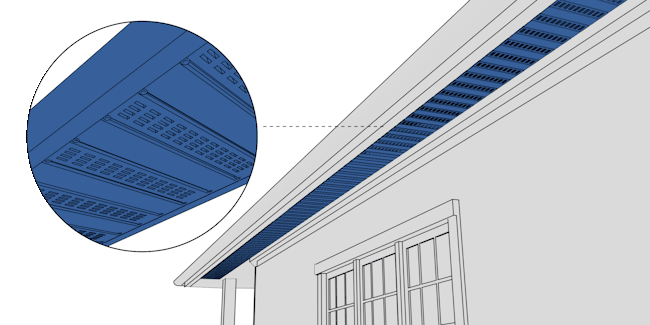
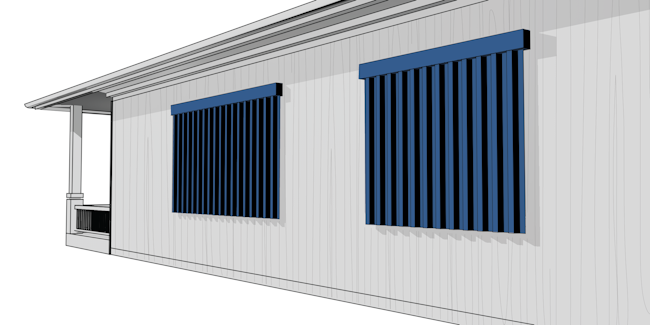
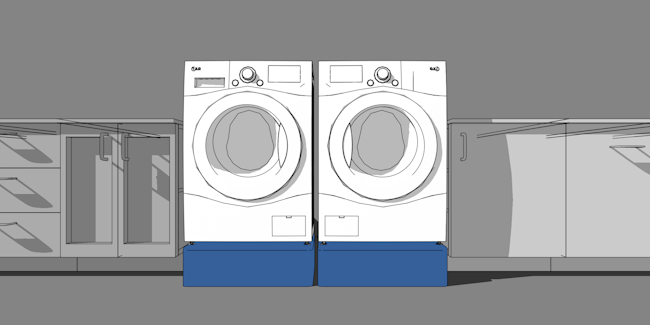
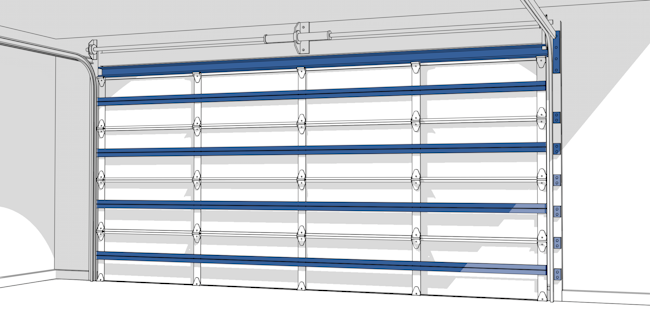
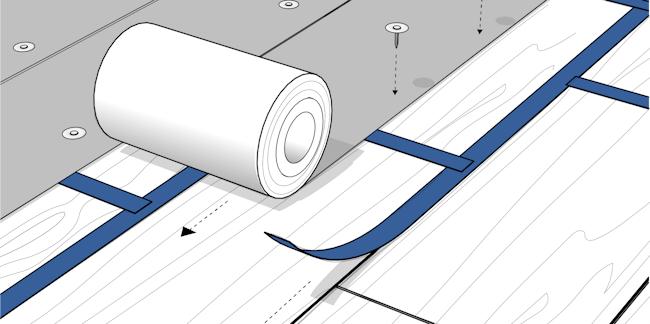
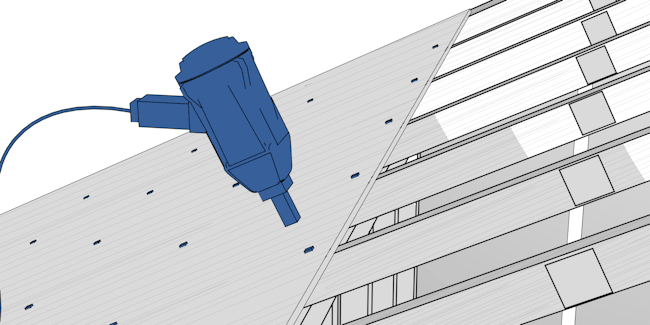
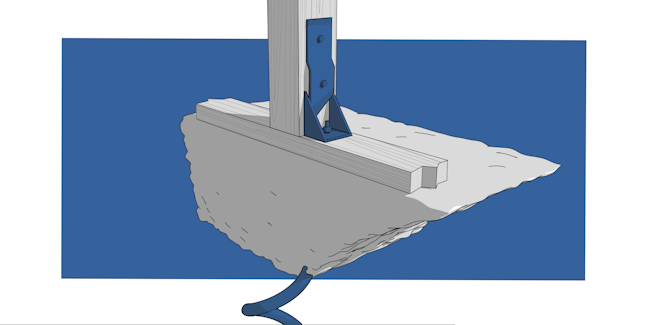
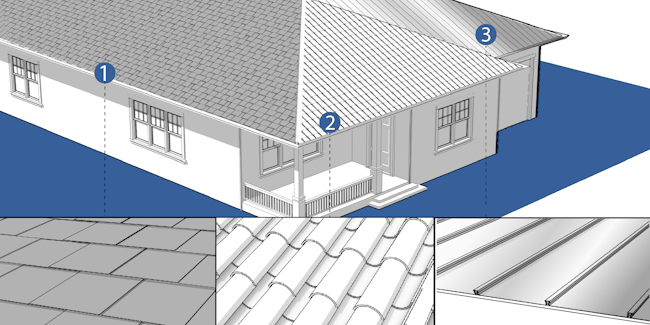
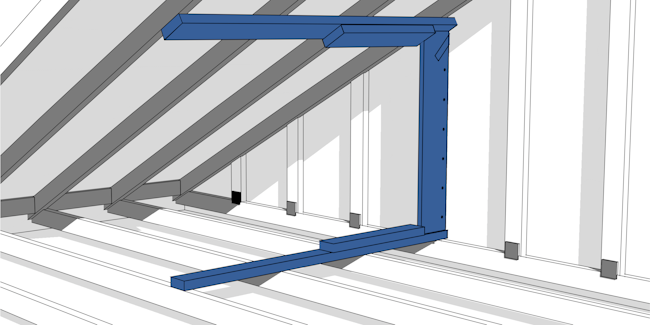
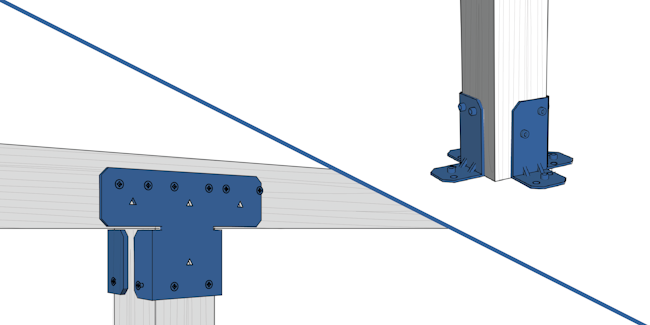
Preparing your home before a hurricane can significantly reduce damage and keep you and your family safe. We have easy-to-follow video tips and guides that show you how to make your home ready to battle the hurricane. This includes securing your home’s indoors and outdoors to prepare for the severe weather. Learn how to protect your roof, reduce risks of flying debris, and more.
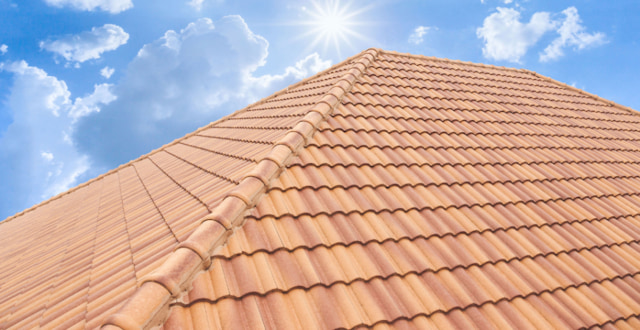

Wind Resistant Roof Systems
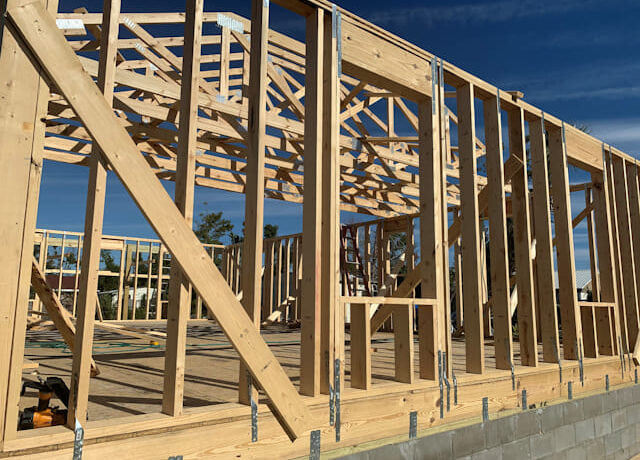
Resilient Wall Construction


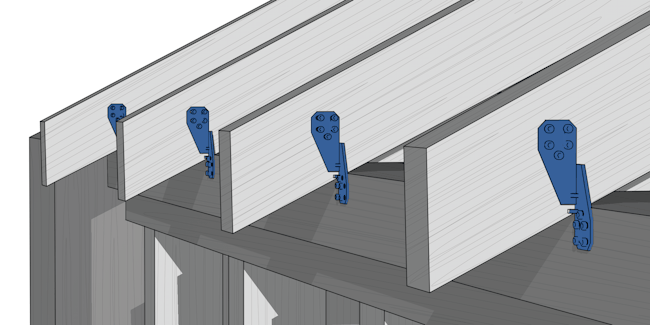
Hurricane Clips and Straps
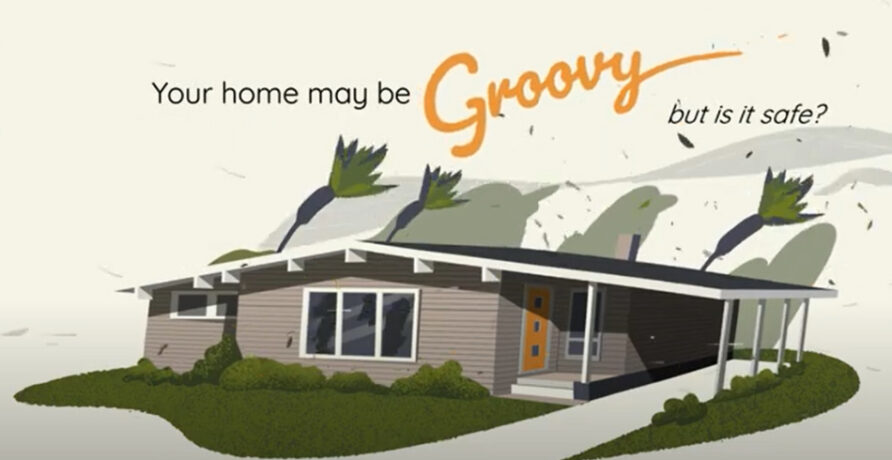

Is Your Groovy Home Hurricane Ready?


#HurricaneStrong Demonstration Home


Masking Tape Myths
Hurricanes, also known as tropical cyclones, are large, rotating storms that form over warm ocean waters. They are caused by a combination of atmospheric and oceanic conditions that create a favorable environment for their formation and growth.
Warm ocean water, moisture, and converging winds are the key ingredients for hurricane formation as they create a low-pressure area at the surface. As the warm, moist air rises and cools, it forms clouds and releases latent heat energy, which fuels the storm’s development.
Hurricanes require certain conditions to grow and intensify. These include warm ocean temperatures, low vertical wind shear (which allows the storm to maintain its structure), and high atmospheric moisture levels. If these conditions persist, the hurricane can grow and become more powerful.
Hurricane season varies depending on the region. In the Atlantic basin, which includes the Atlantic Ocean, the Caribbean Sea, and the Gulf of Mexico, hurricane season officially runs from June 1 to November 30, with peak activity typically occurring between mid-August and late October.
In the Eastern Pacific basin, which includes the waters off the western coast of Mexico and Central America, hurricane season officially runs from May 15 to November 30, with peak activity typically occurring in September.
It is important to note that while the peak of hurricane season typically occurs in August and September, tropical storms and hurricanes can form before or after the official season. Therefore, it is important to be prepared and stay informed about potential threats throughout the year.
Typhoons and hurricanes are tropical cyclones defined as rotating storms that form over warm ocean waters in the tropics. While they share many similarities, there are some key differences, including:
Location – The term typhoon describes a tropical cyclone that forms in the western Pacific Ocean, particularly in the North Pacific basin east of the International Date Line. The term hurricane describes a tropical cyclone that forms in the Atlantic Ocean, the Caribbean Sea, or the Gulf of Mexico.
Wind speed – Typhoons and hurricanes are both categorized according to their maximum sustained winds near the center of the storm that blow consistently over a period of time.
Rotation direction – Typhoons and hurricanes rotate in opposite directions in the Northern and Southern Hemispheres. In the Northern Hemisphere, hurricanes rotate counterclockwise, while typhoons rotate clockwise in the Southern Hemisphere.
A tropical storm becomes a hurricane when it reaches sustained wind speeds of 74 miles per hour or greater. This is the threshold for a Category 1 hurricane on the Saffir-Simpson Hurricane Wind Scale, which is used to classify hurricanes according to their maximum sustained wind speeds.
It is important to note that the Saffir-Simpson ranking does not account for a hurricane’s storm surge or inland flooding threats, which are both potentially deadly conditions. That is why it is essential to consider all aspects of hurricane risk (wind, surge, inland flooding) together to adequately assess the need for evacuation and other safety precautions.
Hurricane duration varies depending on several factors, such as storm intensity, location, and path. While widely variable, on average, a hurricane can last 7 to 10 days from its formation as a tropical disturbance to the time when it dissipates.
According to the National Hurricane Center (NHC), hurricanes generally occur over several stages:
Hurricanes occur in many regions worldwide, but some areas are more prone to these storms than others. The Caribbean islands, the Gulf of Mexico, and the southeastern United States are some of the locations most frequently impacted by hurricanes.